Reasonable Deck Builder Services: Superior Solutions for All Budgets
Cost-effective deck builder services deliver sensible approaches for homeowners seeking to improve their outdoor spaces on a budget. Such builders emphasize durability and value, utilizing budget-friendly materials to create durable structures. That said, recognizing the intricacies of deck installation and the factors influencing pricing is important. When homeowners consider their choices, they could realize that the best decisions can lead to both beauty and functionality in their outdoor living spaces. What should they consider next?
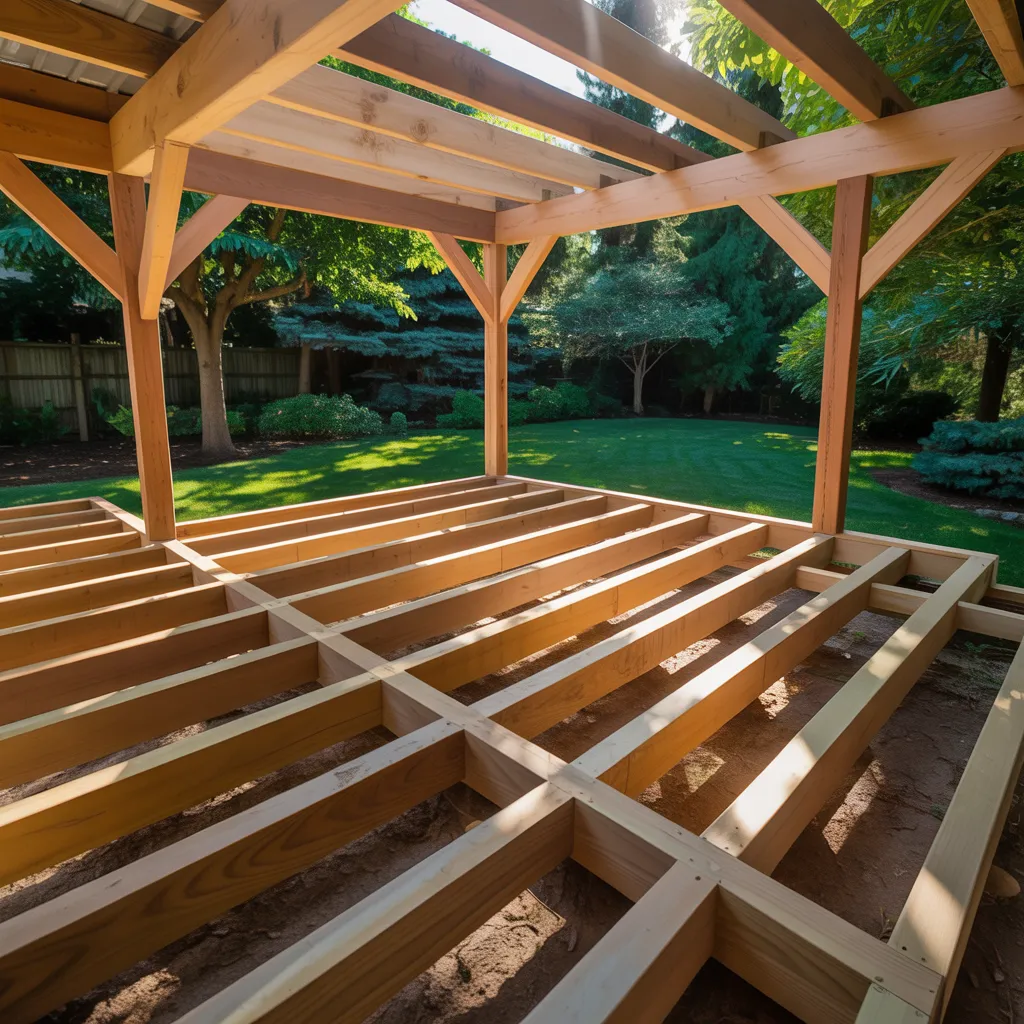
Why Affordable Deck Builders Are the Solution to High Costs
While many homeowners dream of a beautiful outdoor deck, the high costs associated with traditional construction can often be a barrier. Affordable deck builders present a viable solution to this dilemma, providing excellent craftsmanship without the burdensome expense. These skilled experts employ budget-conscious materials and efficient construction methods, empowering them to achieve remarkable results while staying within budgetary boundaries.
Understanding the Cost Factors in Deck Building
In deck building, the selection of materials plays a major role in determining overall costs. Various options, from cost-effective composite options to high-end hardwood materials, can define the financial scope of the project. Furthermore, having a clear understanding of labor costs is important, as they vary depending on the intricacy of the design and the degree of skill necessary.
Material Choice Impact
Choosing the right materials is essential in determining the overall cost of deck building. Various materials offer different price points and longevity, influencing both the initial outlay and future maintenance needs. For instance, treated wood is generally more budget-friendly at first but often demands consistent care, while composite materials, though pricier initially, tend to last longer with minimal maintenance. Moreover, selecting the right railing, deck thickness, and surface finishes can significantly impact expenses. High-end hardwoods provide aesthetic appeal but come with higher price tags. Ultimately, understanding the balance between quality, durability, and budget allows homeowners to make informed decisions, making certain that their deck fulfills both performance and monetary expectations. The right material choices are fundamental to building an economical yet resilient outdoor living space.
Labour Costs Breakdown
Labor expenses account for a significant part of the complete cost in deck construction. Such expenses commonly encompass several elements, including the expertise and proficiency of the contractors involved. More seasoned contractors may quote higher prices due to their specialized knowledge, which can result in a more effective and superior outcome. Additionally, the intricacy of the deck design can influence labor costs; complex designs require more time and specialized skills. Location also plays a role, as labor rates fluctuate considerably across various areas. In addition, the length of the project influences expenses; prolonged schedules may cause increased labor costs. Recognizing these considerations helps homeowners plan more effectively when budgeting for their deck construction projects.
Important Qualities to Consider in Deck Building Services
When searching for deck building services, understanding the essential qualities that define a reliable contractor is crucial for achieving a positive outcome. To begin, experience plays a key role; seasoned contractors offer valuable knowledge that helps avoid frequent mistakes. Furthermore, strong communication skills are essential, allowing clients to express their needs and receive timely updates throughout the project. Additionally, a reputable contractor should offer a portfolio showcasing previous work, reflecting their skill level and creative design abilities.
Additionally, verifying proper licensing and insurance coverage safeguards homeowners against potential legal and financial liabilities. Clear and transparent pricing is also essential; a reputable contractor delivers transparent estimates and discloses any additional charges beforehand. Ultimately, positive customer reviews and testimonials reflect a contractor's reliability and quality of work. By keeping these qualities in mind, homeowners can make informed decisions, guaranteeing that their deck-building project is completed effectively and aligns with their expectations.
Select Budget-Friendly Materials for Your Deck
When choosing materials for a deck, property owners often face the choice between composite and traditional wood alternatives. Knowing the advantages and disadvantages of each can lead to more economical decisions. Examining a range of budget-conscious materials is important for creating a stunning and long-lasting outdoor space without overspending.
Composite vs. Wood Alternatives
Choosing the best materials for a deck can significantly impact both its lifespan and overall cost. Composite decking, made from a blend of wood fibers and plastic, presents a minimal upkeep option to traditional wood. It is resistant to rot, splintering, and insect damage, making it an appealing option for many homeowners. However, composite materials can be more expensive upfront.
On the other hand, wood options, such as treated lumber or cedar wood, offer a timeless aesthetic and tend to be less expensive at the outset. Yet, they typically demand greater upkeep, including periodic staining and sealing, to preserve their condition over time. In the end, the determination between wooden and composite materials rests on a homeowner's available budget, preferred aesthetic, and willingness to invest time in upkeep.
Cost-Effective Material Options
Discovering affordable material selections for review now a deck can greatly impact both starting expenses and overall fulfillment. Those looking for budget-conscious alternatives often look into pressure-treated wood, which is affordable and provides lasting strength when properly maintained. Another worthwhile alternative is composite decking, which, while a bit costlier at the outset, delivers durability and requires little maintenance long-term. Vinyl decking is also growing in demand due to its ability to withstand weather and pests, making it a functional, minimal-upkeep solution. Additionally, reclaimed wood can be both affordable and environmentally friendly, offering unique character to a deck. By strategically picking these materials, homeowners can harmonize style and cost, ensuring a rewarding outdoor area that endures over the years without straining finances.
Customization vs. Standard Designs: Which Fits Your Budget?
How do homeowners figure out whether customization or standard designs align best with their budget? This determination typically relies on personal tastes and budgetary restrictions. Standard designs generally provide budget-friendly options, as they make use of pre-established templates and materials. Homeowners can select from a range of established styles, ensuring quicker installation and reduced labor costs.
In contrast, customization provides a unique appeal, connecting the deck with distinct preferences and targeted demands. That said, this frequently involves additional costs, as it entails custom materials and elaborate designs that can significantly raise expenses.
To arrive at a well-informed decision, homeowners should examine their financial situation, weighing both immediate costs and future value. Evaluating how much they are willing to invest in aesthetics versus practicality can lead to a balanced decision. In the end, understanding the trade-offs between standard and customized options is essential for achieving a deck that meets both desires and financial realities.
Discovering Dependable Deck Builders in Your Local Area
When looking for trustworthy deck construction professionals in a local area, homeowners frequently ask what important factors ensure quality and reliability. One vital aspect is verifying credentials; reputable builders typically hold the required licenses and insurance, providing protection against potential liabilities. Reviews and recommendations from former clients may also deliver helpful information regarding a builder's craftsmanship and work ethic.
In addition, a transparent communication style is vital. Trustworthy builders take the time to listen to client needs and describe the project requirements in detail. Seeking recommendations from friends or family can also lead to dependable options, as direct encounters frequently highlight a builder's standards.
Additionally, collecting quotes from multiple contractors can help homeowners assess services and measure professionalism. By considering these criteria, homeowners can effectively choose a deck builder who aligns with their standards and secures a favorable project outcome.
Managing Your Deck Project Budget
Planning a budget for a deck project necessitates thoughtful consideration to make certain that expenses match expectations and financial means. Property owners should first define their complete budget, taking into account both materials and labor costs. Exploring different decking materials, such as wood, composite, or vinyl, will assist in pinpointing budget-friendly choices that align with personal tastes and long-term objectives.
Next, gathering a number of quotes from nearby deck contractors can offer valuable information about labor costs and aid in locating trustworthy professionals. Residents should also account for other expenditures, including building permits, design fees, and likely landscaping changes.
Allocating a emergency fund for unanticipated expenditures is vital, as unexpected issues can emerge during the building process. By thoroughly assessing these components, homeowners can create a realistic budget that allows them to build their ideal deck without budget constraints, guaranteeing a smooth project from inception to completion.
Essential Tips for Maintaining Your Deck and Maximizing Its Value
Regular upkeep is crucial for maintaining the integrity of a deck once the investment has been completed. Regular cleaning is vital; clearing away debris and cleaning the surface works to prevent mold and blemishes. Property owners ought to examine the deck for indications of deterioration, such as weakened planks or corroded nails, tackling these concerns immediately to circumvent costly restorations. Administering a protective sealant every couple of years shields the wood from water and sun damage, prolonging its durability.
Moreover, ensuring proper drainage around the deck prevents water accumulation, which can result in structural rot. Throughout the winter season, eliminating snow and ice buildup is necessary to lessen strain on the deck. Finally, applying furniture pads helps prevent scratches and dents from patio furniture. By adhering to these guidelines, homeowners are able to keep their decks in excellent condition, guaranteeing both visual appeal and long-term financial value are preserved.

Questions We Often Receive
Which Deck Types Are the Most Cost-Effective to Build?
Wooden decks, most notably treated lumber, are often the most budget-friendly material. Composite materials and vinyl can be pricier at first but may save costs over time because of minimal maintenance demands and greater longevity.
What Is the Average Duration of a Deck Building Project?
A common deck construction undertaking usually spans one to three weeks, depending on considerations like size, materials, and weather conditions. Proper planning and qualified labor can help expedite the process considerably.
Are Permits Required for Deck Construction?
Authorization is typically needed for deck construction, based on local building codes. Homeowners are encouraged to check with their local building authority to understand the specific guidelines, securing proper approval and preventing potential complications while completing the project.
Can I Build My Own Deck to Save Money?
Yes, individuals can construct their own deck to lower the overall cost, given that they have the required skills and knowledge. However, they ought to be aware of applicable local rules, guarantee the safety of the structure, and account for potential long-term maintenance costs.
What Kinds of Warranties Are Typically Offered by Deck Builders?
Deck construction professionals generally offer warranties covering materials and workmanship, usually ranging from one to ten years. Some may also provide product-specific extended warranties, ensuring protection against defects and boosting client trust in their workmanship.